Tampa, Florida
Shoe Sole Repair in Tampa, FL
Sole repair is for shoes whose walking surface is thin, holed, cracked, or pulling away from the upper. In Tampa, that work starts at our workshop with an inspection of how the shoe was built.
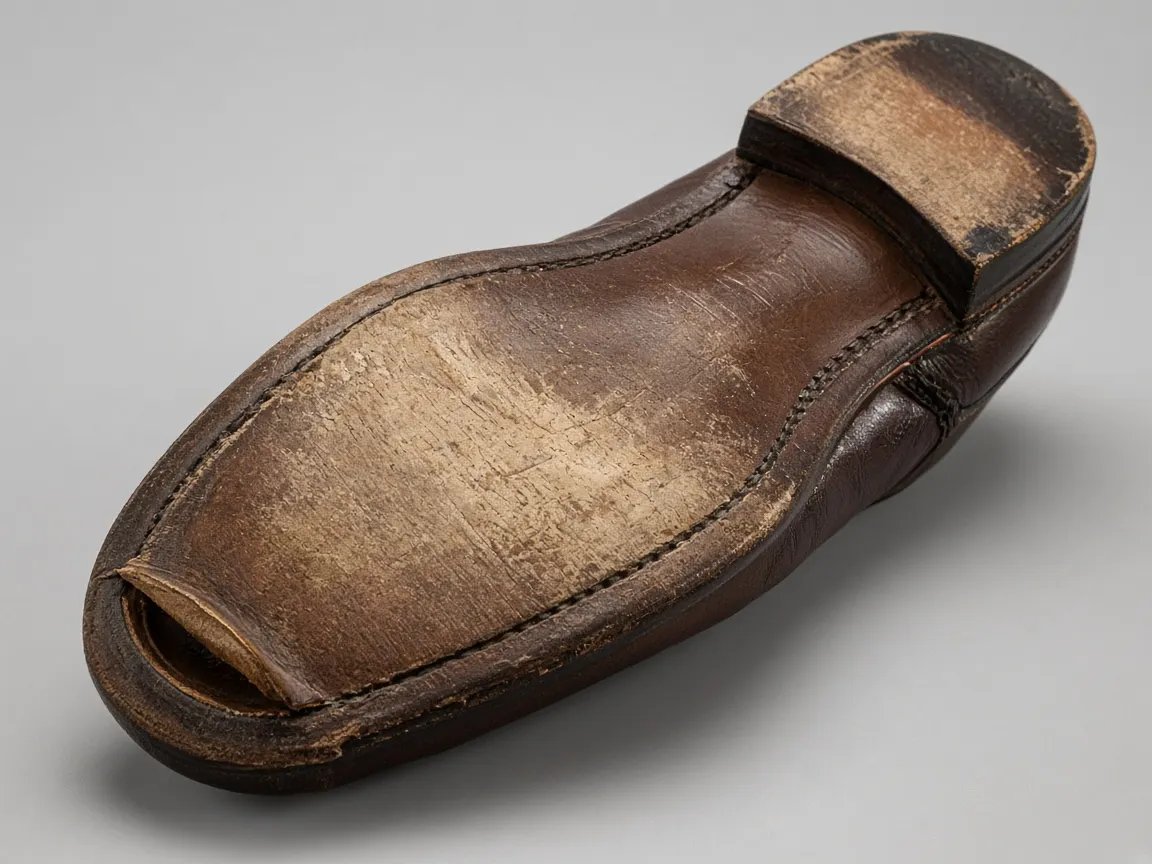
What sole repair covers
The sole is the bottom that meets the pavement. When it wears through at the ball of the foot or the toe, water gets in and the upper starts to flex in the wrong place. Sole repair can mean reattaching a sole that has separated, replacing only the worn forepart, or replacing the outsole when too little of the original is left to keep.
People often search for shoe sole replacement and resoling as if they were one automatic service. They are options, not a single procedure. A leather dress sole, a rubber sheet sole, and a cupsole sneaker do not come apart the same way. The workshop does not publish one method as the house standard. The recommendation follows the construction we can see.
Worn soles and sole separation
Worn soles show a smooth, thin patch, sometimes a hole, sometimes a crack across the flex line. Sole separation is different: the bond or the stitch between the sole and the upper has let go, often at the toe, and the sole peels even if the center is still thick. Both can be present on the same shoe.
A peel that is only at the edge may still have a sound sole underneath. A peel that runs under the ball of the foot usually means the joint has failed more widely. Gluing the lip shut without checking the rest of the bond is a short-lived fix. Inspection includes pressing along the joint, not only looking at the visible gap.
Footwear and constructions that may suit
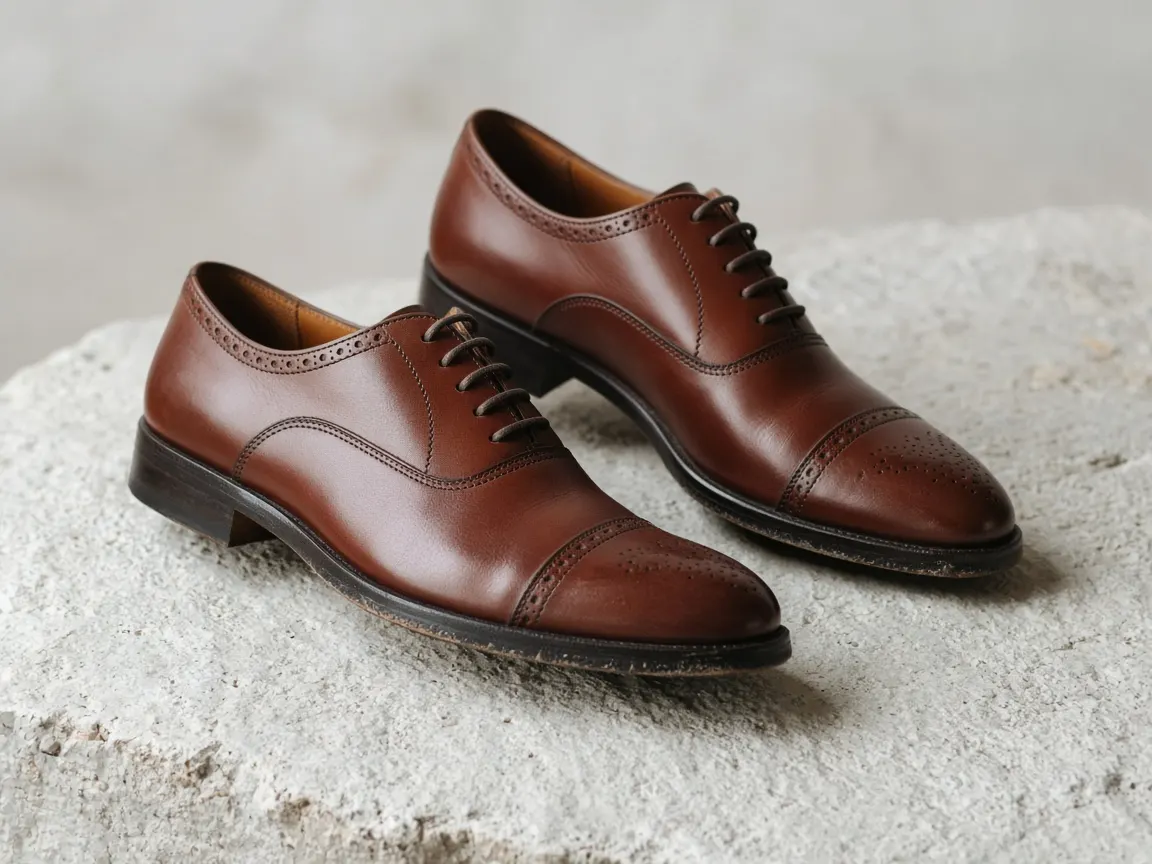
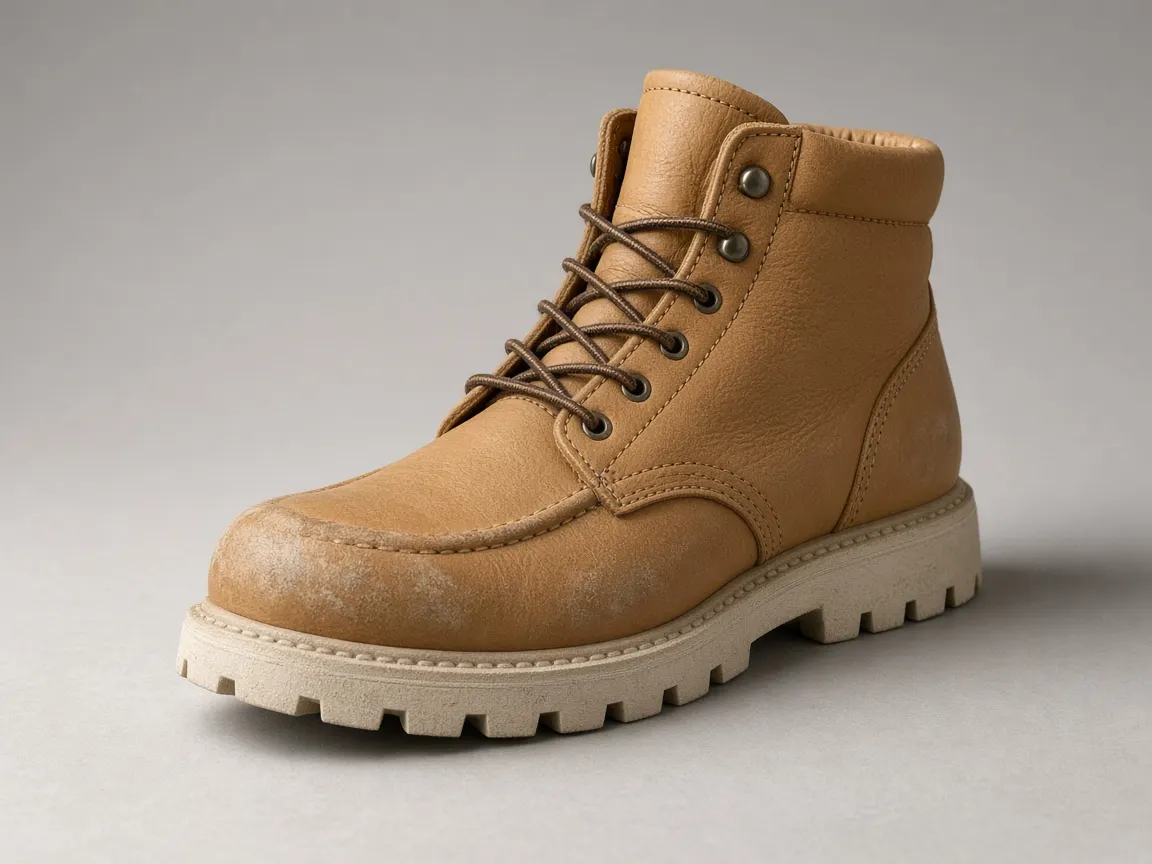
Dress shoes with a leather or rubber outsole, and many boots with a welt or a clearly separate sole, are the pairs most often brought in for this work. Casual derbies and some chukkas fall in the same group when the bottom is a distinct piece.
Sneakers are less predictable. A stitched or cemented outsole that can be removed is a different case from a molded unit or a foam midsole that has turned to powder. Running shoes, court shoes, and fashion sneakers are not assumed to be resolable. If the upper is only a wrapper around a one-piece bottom, we say so.
Leather soles, rubber soles, and partial replacement
Leather soles can be repaired or replaced when the upper and the attachment are sound. They mark easily, and a new leather sole will still wear at the same strike points. Rubber soles are often more practical for wet sidewalks, but the thickness, the tread, and the way they are stuck or stitched all change the job.
Partial replacement, sometimes called a half sole, is considered when the forepart is gone and the waist and heel of the sole are still usable. Full replacement is considered when cracks or thin spots run through the piece, or when a partial repair would leave a ridge you would feel. Neither is offered as a default. The shoe has to be able to accept it.
How the work is approached
After inspection we describe the realistic path. That may be re-cementing a separated sole that is still thick enough, rebuilding the forepart, or replacing the outsole. Stitching, cement, or both may be involved, depending on how the shoe was made. If a sole, a cement, or a method has to be chosen, that choice is made for the pair in front of us and explained in the estimate.
The upper, the welt, and the insole board are checked before any bottom is removed. If removing the sole would leave nothing solid to attach to, the honest result is to decline the resole.
From the first note to collection
Describe the shoes and where the sole has failed, or bring them to 210 S MacDill Ave. We inspect the bottom, the joint, and the heel, because a worn heel tip often travels with a worn sole. We recommend a scope and an estimate. Work starts only after you approve it. You collect the shoes from the workshop. Timing is discussed after inspection.
The full sequence is on How We Work. Cost depends on the factors on the pricing page, especially construction and how much of the sole must be replaced.
What changes the cost
A heel tip is not priced like a full outsole. A stitched welt is not the same labor as a cemented fashion sole. Leather and rubber replacement pieces are different materials. If the welt is rotten or the upper is torn at the lasting margin, the sole job may grow or stop. Combined heel work is estimated with the sole, not hidden inside it.
When sole repair is a poor fit
We will not recommend a new sole for a shoe whose upper has failed, whose insole board has collapsed, or whose molded bottom was never meant to be replaced. Previous nails and hardened glue can make a clean repair impossible. If the cost of a new bottom would not be a sensible way to keep that pair, we say that before work starts.
Care after sole work
Keep a newly cemented sole out of soaking rain and away from a heater or a hot car for the period we specify at collection. Rotate pairs so one sole is not the only surface you walk on. Wipe grit off leather soles. A repaired sole still wears. It is not a permanent shield, and it will wear with use.
Questions
Can a separated sole be glued back on?
Sometimes, if the sole itself is still sound and the upper can accept the bond. If the peel is wide or the sole is thin, reattachment is the wrong job and replacement is the question. Inspection decides which.
Do you resole sneakers?
Only when the sole is a separate piece that can be repaired without destroying the shoe. Many athletic soles are molded or foamed and are not practical to replace. We will say which case yours is.
Should I bring both shoes?
Yes, when you can. Sole wear and heel height are easier to judge as a pair, even if one shoe looks worse.