Tampa, Florida
Shoe Cleaning in Tampa, FL
Shoe cleaning is the careful removal of surface dirt from the material you actually have. Leather, suede, and fabric are not cleaned the same way, and not every mark will leave.
Dirt and surface contamination
Dust, dried mud, salt film, and street grime sit on the surface or in the nap of the material. Cleaning aims at that layer. It is not dyeing, and it is not a repair of a crack or a loose sole. If the shoes are also structurally damaged, cleaning can be combined with repair or skipped if the pair is not worth keeping.
Tell us what the shoes walked through: rain, salt, oil, or a spill. A salt line on leather and a dark spot on suede lead to different expectations.
Leather cleaning
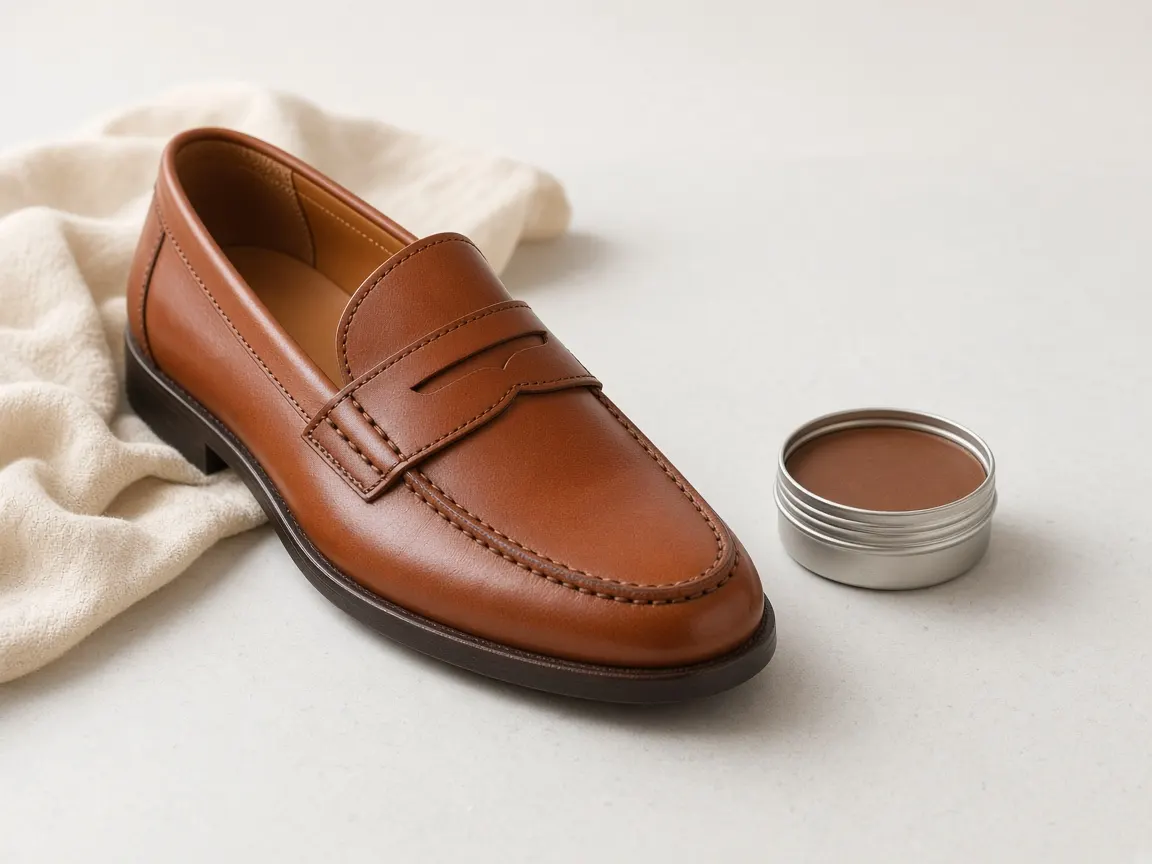
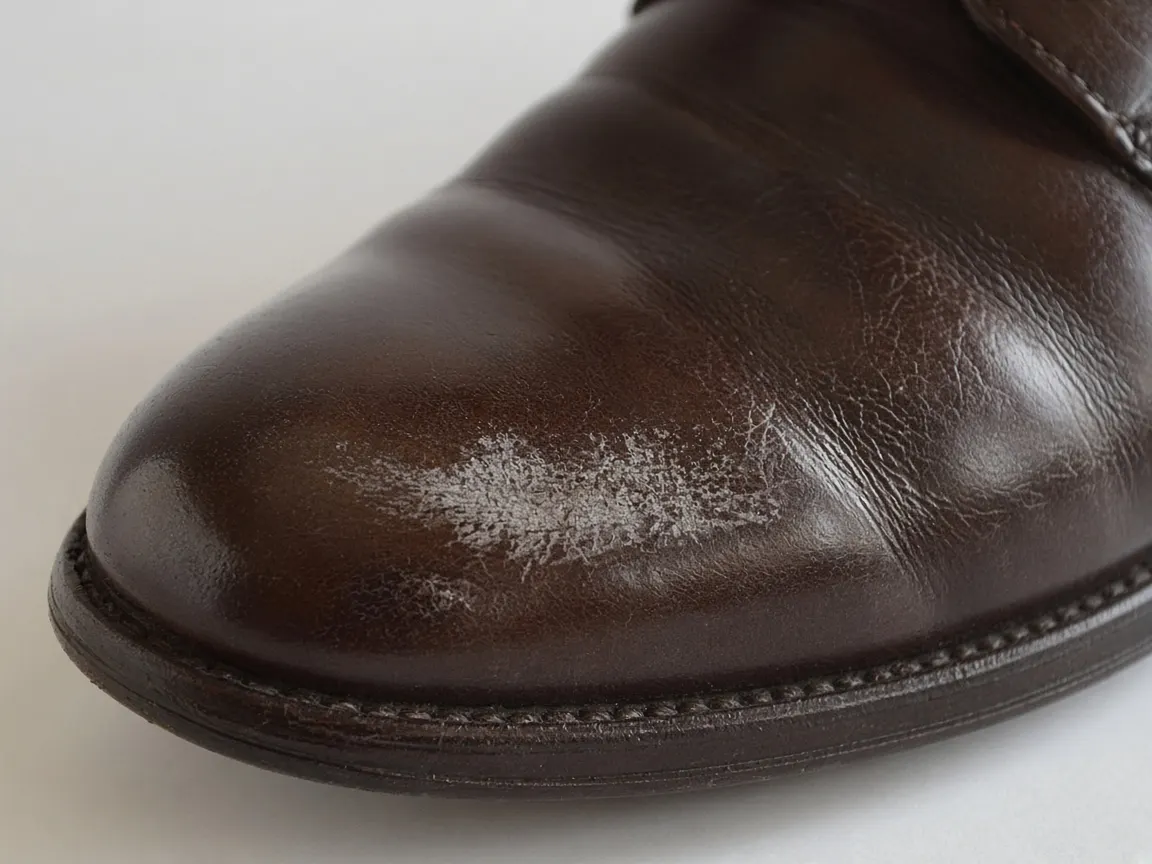
Smooth leather is usually wiped and brushed, then conditioned if the hide is dry. Pigmented leather and glazed leather mark differently. A pale scuff may be dirt, or it may be color that has been scraped off. Cleaning removes dirt. It does not put scraped color back. That is a restoration question, covered on the restoration page.
We do not soak leather dress shoes. Excess water drives stains deeper and can stiffen the insole. The method stays matched to the finish we see.
Suede care
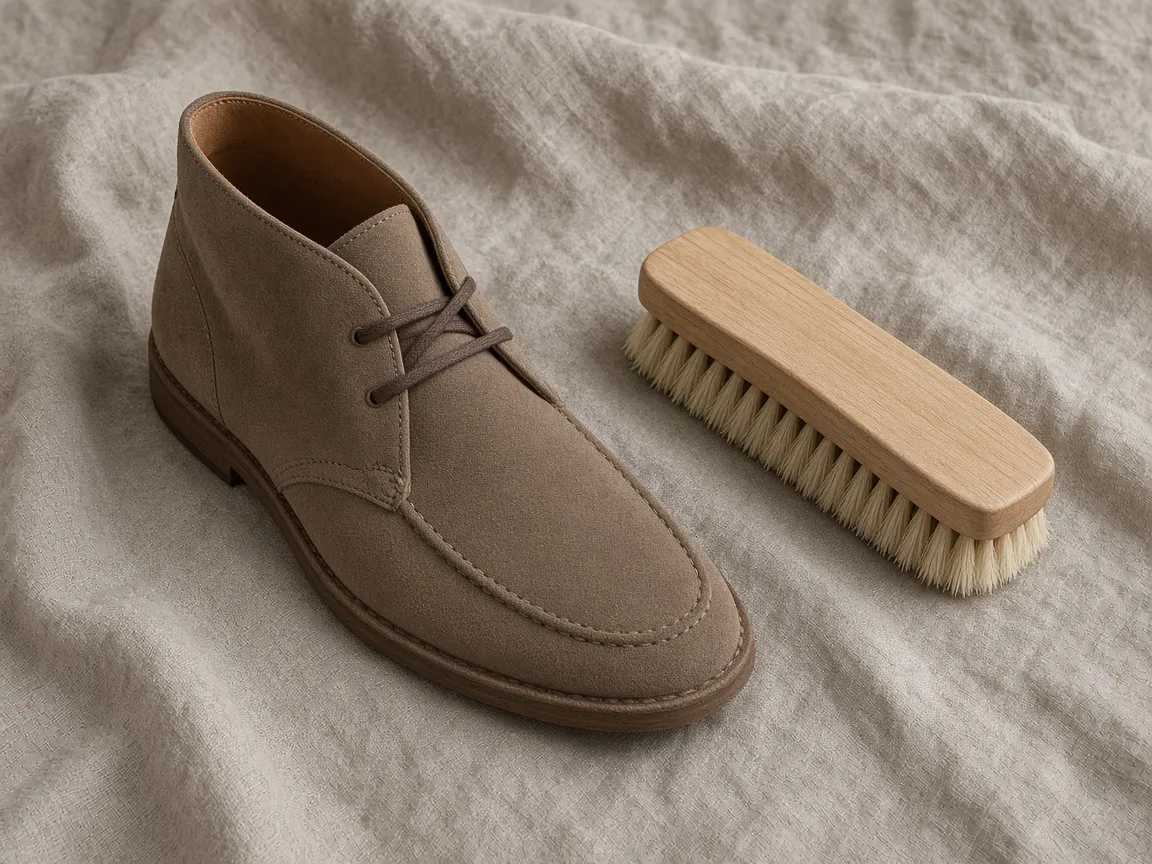
Suede is a napped surface. A soft brush lifts dust. A hard brush or a wet cloth can flatten the nap or leave a water mark. Oil and dye transfer are harder than dust, and some of those marks stay. We test our approach on the condition of the nap rather than promising a uniform color.
Suede and nubuck are not interchangeable with smooth leather in a cleaning routine. If you are unsure which you have, say so. Identifying the material is part of the job.
Material-specific treatment
Textile, patent, and coated synthetics each have limits. Patent can haze if it is scrubbed. A coated fabric can peel if it is saturated. Canvas can be cleaned more freely than silk or satin, and this workshop does not offer dry cleaning or a couture fabric service. If a material would be harmed, we stop.
If a product is used, it is chosen for that shoe after inspection.
Limits of cleaning
Deep dye, mold that has entered the leather, and old water rings may lighten and not disappear. Cleaning will not close a split, reglue a sole, or rebuild a worn heel. Cleaning does not add fragrance or make the shoes like new.
If the shoes need structural work, we will say whether cleaning them first is useful or whether the repair matters more. See how cost is judged when cleaning is combined with repair.
Process and aftercare
Describe the material and the marks, then bring the shoes. We inspect before any treatment. You approve the scope. After collection, let the shoes dry at room temperature, away from a vent or a sunny dashboard. Brush suede lightly. Do not wear a freshly cleaned pair into the same salt the same day if you can avoid it.
Sneaker-specific stains and rubber midsoles are covered under sneaker cleaning.
Questions
Will cleaning remove every stain?
No. Surface dirt often improves. Dye, oil, and old water marks may not. We will tell you if a mark looks unlikely to lift before work starts.
Is this dry cleaning?
No. Treatment depends on the material and is explained at inspection.
Can you clean shoes that also need repair?
Sometimes cleaning is part of preparing a pair, and sometimes the structural problem makes cleaning secondary. We separate those jobs in the estimate.