Tampa, Florida
Shoe Stretching in Tampa, FL
Stretching is a way to ease a tight spot in footwear that can give, usually leather. It is not a size change, and it will not make a rigid synthetic shoe into a wider one.
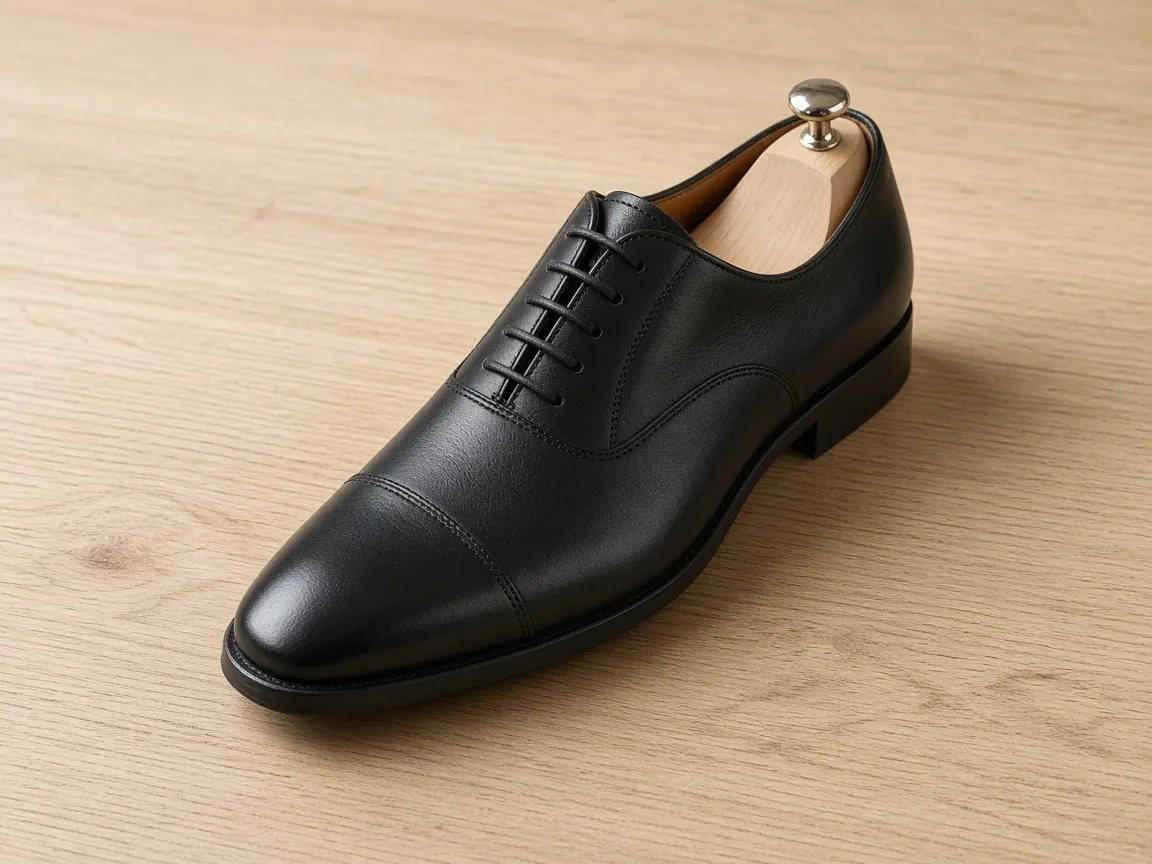
Tight footwear and pressure points
People ask a cobbler to stretch shoes when a toe box pinches, a bunion or a joint rubs, or the vamp feels hard across the instep. The useful question is where it hurts, not simply “make them bigger.” A named spot can sometimes be eased. A shoe that is short overall usually cannot.
Tell us where the pressure is and whether it is one foot or both. Bring the shoes you actually cannot wear, not a different pair. If you use an orthotic, bring it, because it changes the space inside.
Width, not a new size
Leather can often give a little in width at the ball of the foot or at a single pressure point. That is the usual request, and it matches what the material can do. Length is another matter. The toe shape, the toe puff, and the way the sole is lasted limit how far a shoe can grow forward. Stretching is not a way to turn a size down into the size you measured.
Expectations should stay small: less pinching at the spot you named. The shoe may still feel snug. If you need a full size, another pair is the honest answer, and we will say that.
Leather flexibility
Vegetable-tanned and other firmer leathers move differently from a soft calf upper. New leather that is simply stiff may ease with wear and a careful stretch. Old leather that is dry may crack instead of giving. We condition only when the hide needs it, and we do not soak a shoe in an attempt to force a size.
Linings can limit the stretch even when the outer leather would move. A tight lining that tears is a worse result than a shoe that stays snug. That is checked before any pressure is applied.
Materials that do not stretch well
Fabric, patent coatings, plasticized synthetics, and many athletic uppers barely yield. Forcing them creases the coating or splits the seam. Suede can stretch and then show the stress in the nap. We decline stretching when the material is the wrong kind, rather than leaving a crease you did not have.
Heels and boots with a rigid counter are stretched only at the place that can move. The counter itself is supposed to stay firm. See leather shoe repair if the issue is a crack rather than tightness.
What the process looks like
You describe the tight spot and bring the shoes to the workshop at 210 S MacDill Ave. We look at the material, the lining, and the place that hurts. If stretching is realistic, we explain how modest the change is likely to be and we wait for your approval. If it is not realistic, we say so before any work.
There is no online booking. The amount is set after inspection. The pricing page explains why a simple pressure point and a difficult lined shoe are not the same job. Timing and the resulting fit depend on the shoe.
Limits and care
Stretching can rebound slightly as leather settles. It can ease one spot and leave another. It cannot correct a shoe that is much too small, and it cannot fix pain that comes from a collapsed sole or a broken heel. Those belong to repair, or to replacing the pair.
Afterward, wear the shoes indoors for a short time and notice whether the spot is quieter. Do not heat the shoes with a hair dryer. If a new crease or a sting appears, stop wearing them and contact us. A wooden shoe tree can help the leather hold its shape between wears, but a tree is not itself a stretch of several sizes.
Questions
Can a cobbler stretch shoes?
A cobbler can often ease leather at a pressure point or slightly in width. A cobbler cannot reliably lengthen a shoe by a full size or stretch materials that do not give. We will tell you which situation you have.
Does shoe stretching really work?
It works in a narrow sense: less pressure where leather can move. It does not work as a general resize. If the shoes are the wrong length, stretching is the wrong tool.
Can you stretch width but not length?
That is the more realistic request. Width at the ball or a single bump is the usual goal. Length is limited by the sole and the toe shape.
Will stretching damage the shoes?
It can, if the leather is dry or the material cannot move. That is why we inspect first and decline the job when the risk is higher than the benefit.