Tampa, Florida
Shoe Heel Repair in Tampa, FL
Heel repair covers the small striking surface that wears out first and the structure under it. A missing tip changes how the shoe sits. A loose heel is a different problem from a worn cap.
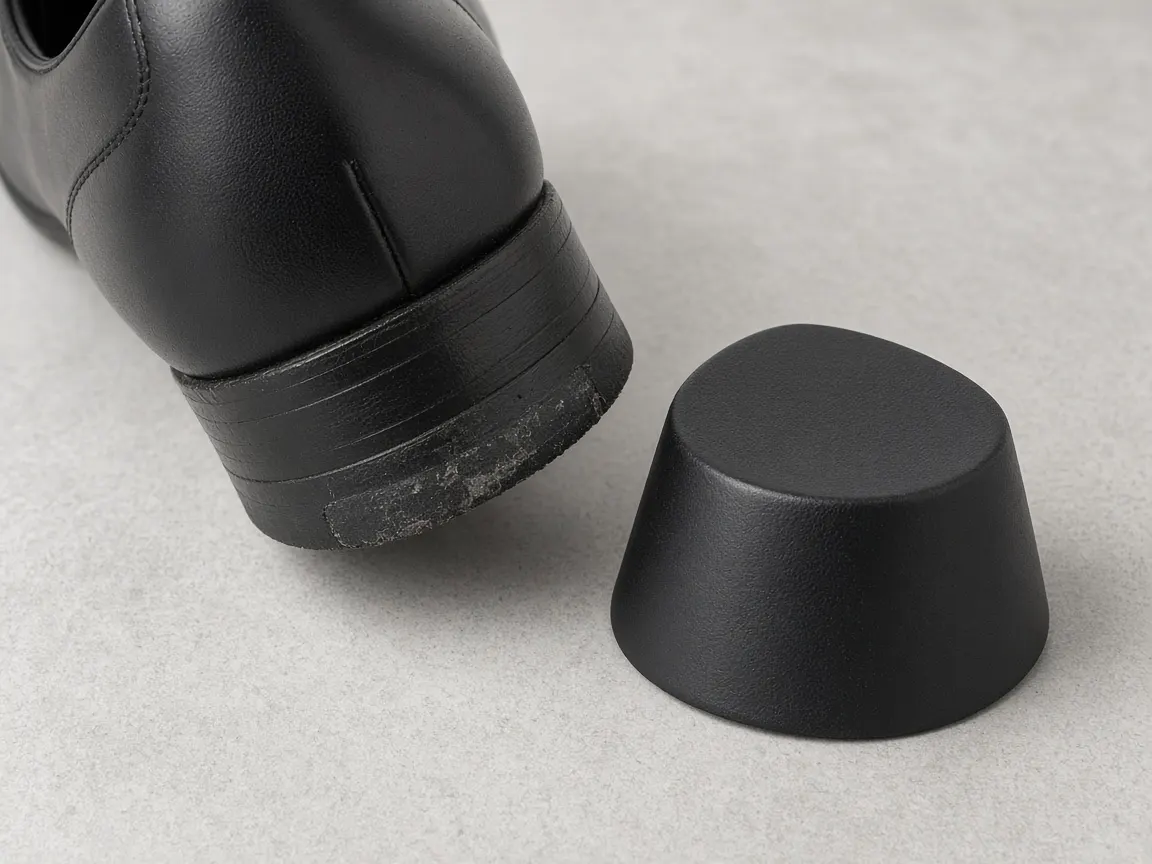
Worn heel tips and heel caps
The heel tip, also called a top lift or heel cap, is the piece that actually hits the ground. On dress shoes it is often a small rubber or composite lift. On boots it may be a larger cap under a leather stack. When it wears through, the harder heel underneath strikes the sidewalk, the shoe leans, and the other parts wear faster.
Replacing that cap is the usual first question. It is not always possible if the base of the heel is cracked, if the lift was never designed to be removed, or if the heel itself is loose. We look at the attachment, not only the missing rubber.
Damaged heels and replacement
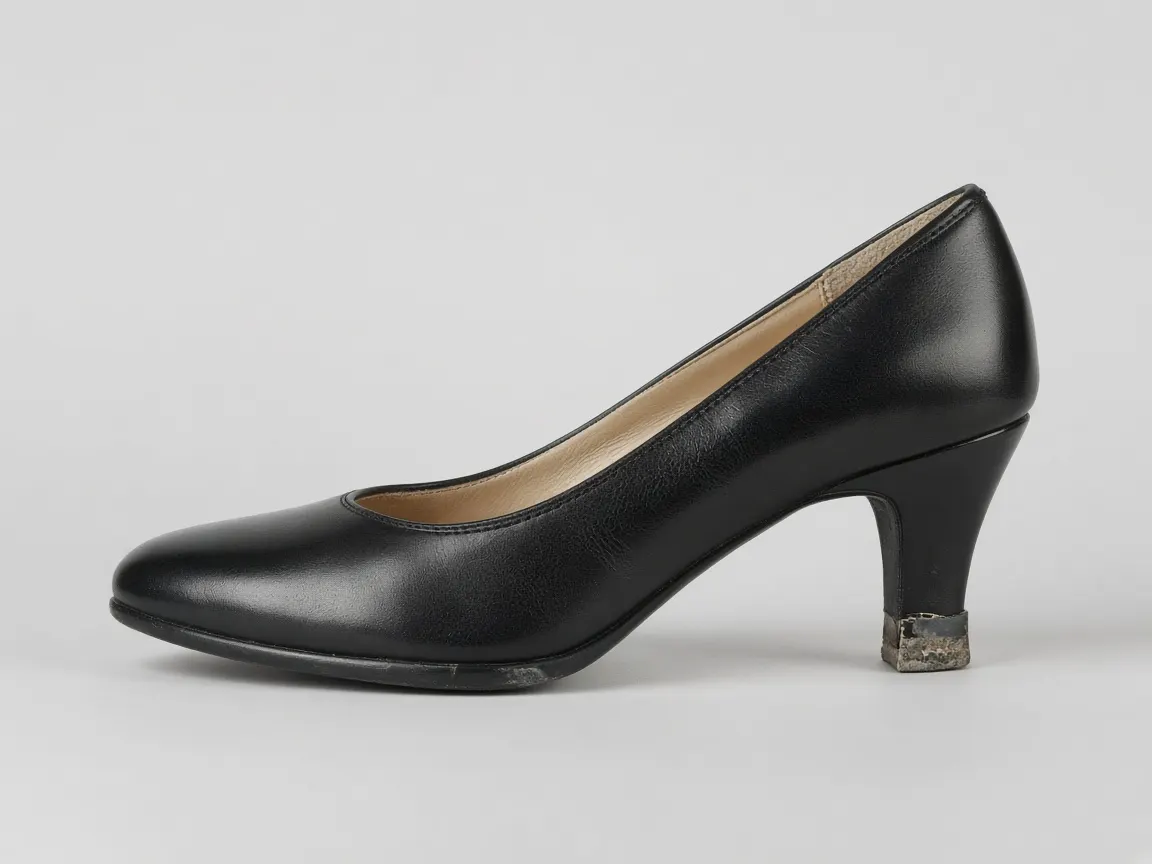
A plastic heel breast can split. A stacked leather heel can separate between the layers. A high heel can snap or lean. Replacement of the heel, rather than the tip alone, is considered when the structure is no longer stable. Height, the seat of the shoe, and the way the heel is pinned or screwed in all matter.
We do not promise that a broken high heel can be returned to its original height or shape. Some heels are decorative covers over a small core. If that core is damaged, a new cover will not make the shoe safe to walk in.
Uneven wear
People often wear the outside or the inside of one heel more than the other. The left and right shoes then sit at slightly different heights. Bringing one shoe hides that difference. Bring the pair so the tips can be compared and, when it makes sense, replaced together.
Uneven wear can also be a clue that the sole or the shank is involved. A new tip on a collapsed shoe will not level your step. That is part of the inspection, and it may point toward sole repair or toward retiring the pair.
Footwear that commonly needs this work
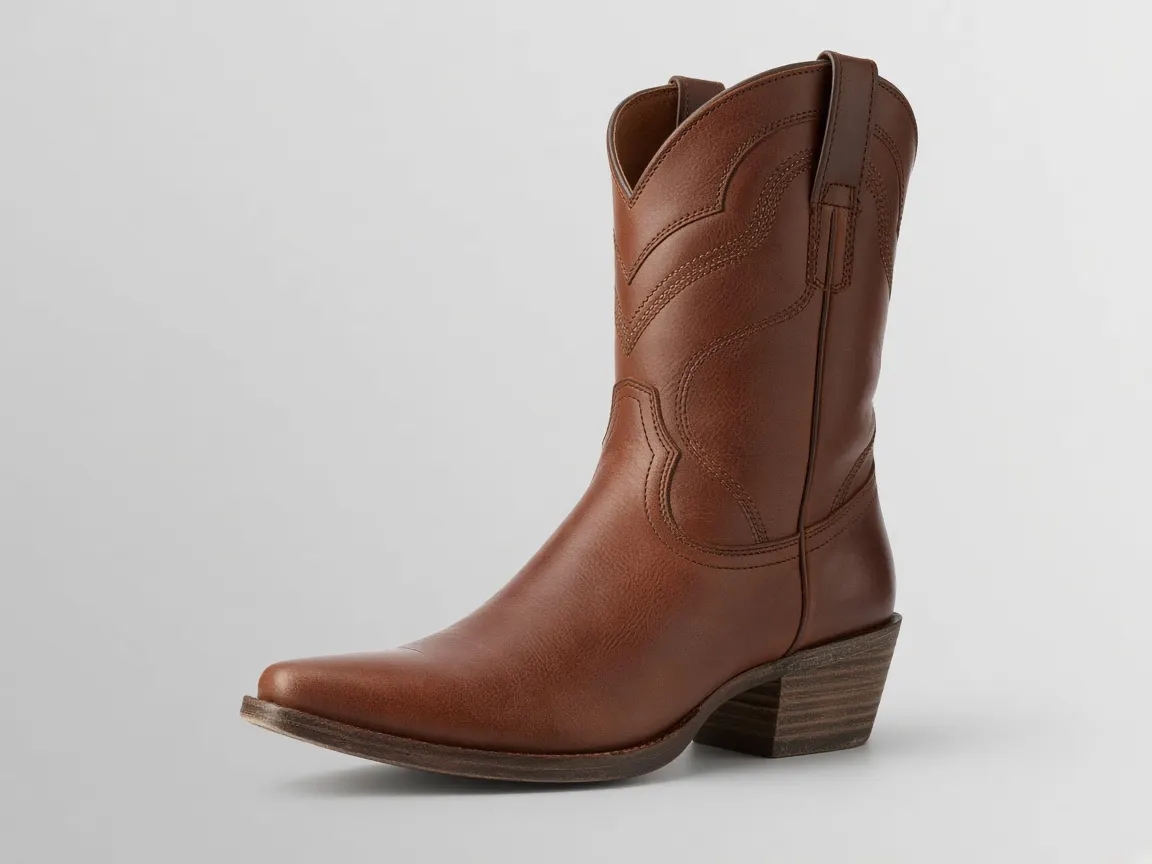
Men’s and women’s dress shoes, ankle boots, cowboy boots with a stacked heel, and pumps are the pairs we are usually asked to check. Work boots with a defined heel are included when the heel unit is separate from a molded lug. A completely molded athletic heel is not the same object and may not take a traditional tip.
Materials
Tips may be rubber or a harder composite. Heel bases may be leather, wood, or plastic. The upper around the heel seat is often leather that has been crushed by the same uneven strike. We match the repair to those materials after we see them.
Structural damage
Before a cosmetic cap goes on, we check whether the heel is tight to the shoe, whether the breast is cracked, and whether the seat is soft. A wobble means the structure needs attention. Ignoring it and only adding rubber leaves the failure in place.
Inside the shoe, a worn heel lining or a nail that has come through is a comfort and a safety issue. Tell us if you feel a spot at the back of the heel. We will look there during inspection rather than assume the problem is only outside.
Process and cost
Contact the workshop, bring the pair, and let us inspect the heels and the soles together. The estimate distinguishes a tip replacement from heel rebuilding. You approve the scope before work starts. Collection includes a note on anything that could not be leveled.
Cost follows the pricing factors: how many heels, whether the base is damaged, and whether the sole is involved. There is no published dollar amount.
Limits and care
A new tip wears again. It does not stop the way you walk. Very tall or hollow heels, and heels that have already snapped, may be beyond a stable repair. We will say so.
Afterward, avoid parking the heel on a grate or a sharp curb edge if you can. If a tip feels loose on the first walks, bring the shoe back and tell us rather than adding household glue.
Questions
Is a heel tip the same as a new heel?
No. The tip is the bottom cap. The heel is the structure above it. Many jobs are only the cap. Some jobs are the heel itself. Inspection says which.
Can you repair a broken high heel?
Only if what remains can hold a stable repair. A snapped or hollow heel is sometimes not repairable in a way that is safe to walk on. We will not guess from a message.
Why do my heel tips wear on one side?
Strike pattern, fit, and a worn sole all contribute. Replacing the tips without looking at the pair and the sole can leave the same lean in place.